Загрузка ...




Car opening requirements and regulations, legal procedure and liability
Car opening is a complex process of restoring access to the interior or trunk in the event of lost keys, jammed locks, or malfunctioning locking mechanisms. This procedure requires compliance with legal regulations and technical guidelines, as any tampering with the access system can result in damage, ownership disputes, and security risks.
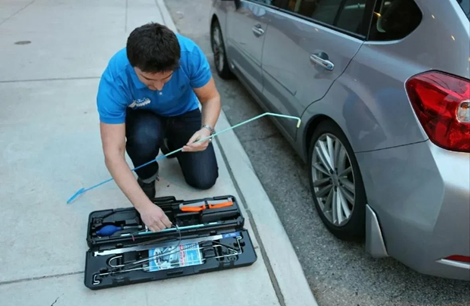
The main principle is to act legally, confirm ownership of the vehicle, and choose methods that minimize damage. In most cases, the correct procedure allows you to open the car without damage and preserve the functionality of the locks, doors, windows, and electronics.
Technical Rules: How to Open a Car Without Damage
The goal of professional car opening Hamilton locksmith is to open the car with minimal intervention, preserving the integrity of the doors, lock cylinder, seals, windows, and electronic systems. Experience shows that attempts to «open the door yourself» with improvised objects often end in repairs that are more expensive than calling a specialist.
Basic principles of safe opening
- Assess the situation: type of lock, battery condition, presence of an alarm, features of a specific model.
- Choice of method: preference for traceless methods, avoid brute force.
- Protection of the body and interior: preventing scratches, creased seals, and damage to the trim.
- Result check: after opening, check the operation of the locks, central locking, power windows, and alarm.
Which methods are considered acceptable?
Acceptable methods are those that minimize the risk of damage and are performed taking into account the design of the vehicle:
- Non-destructive opening of the lock with specialized tools in the presence of mechanical Lock cylinders.
- Careful access to the opening mechanism while adhering to the technology and protecting the paintwork.
- Use standard digital solutions (if available): manufacturer’s app, spare key, dealer service procedure.
Breaking the glass, forcibly prying the door open, drilling the lock, and other destructive methods are permissible only as a last resort when other options are impossible (e.g., an emergency situation), and with an understanding of the subsequent costs of repair.
Features of Modern Cars: Electronics and Security
Modern cars are equipped with immobilizers, shock/tilt sensors, reinforced lock cylinders, double locking, and electronic modules sensitive to voltage surges. Therefore, it is important:
- Do not attempt to «apply power» at random or allow short circuits;
- Avoid tampering with the wiring without diagrams and experience;
- Consider the risk of blocking the alarm and preventing it from starting after opening.
A qualified specialist will confirm the make, model, year of manufacture, and key type (mechanical, flip key, smart key) in advance to select the correct algorithm; For example, a Hamilton locksmith typically starts with checking the available standard options and only then moves on to instrumental methods.
What the owner should do before and after unlocking
- Before: ensure documents are available (at least electronically), provide the exact model and year, and describe the problem (keys inside, broken key, dead battery, jammed cylinder).
- After: check the locking/opening of all doors, the operation of the central locking and alarm, replace the cylinder/key if necessary, make a duplicate, and set up backup access.
Compliance with requirements and regulations when unlocking a car is a combination of legality, proof of vehicle ownership, and the use of gentle technologies. This approach reduces the risk of damage, disputes, and repeated lockouts, and helps restore the vehicle to full operation more quickly.
Summary: When is opening a car without keys permissible?
Opening a car without keys is only permissible if there is a legal basis and in compliance with rules preventing unauthorized access to someone else’s property. The main criterion is the right to the vehicle or a clear need to act in legally protected interests (life, health, safety, property safety).
To avoid claims and risks, it is important to confirm the basis in advance with documents or a record of circumstances, if possible, involve authorized persons (police, emergency services, parking lot manager) and ensure minimal intervention without damage.
List of legal grounds
- Owner or legal holder: opening their car in the event of a lost/broken key, dead battery, or lock failure, subject to proof of right (vehicle registration certificate, vehicle title, contract, power of attorney, ownership/use documents).
- Authorized representative of the owner: actions under a notarized power of attorney or other legal basis allowing control and management of access to the vehicle.
- Urgent need (extreme need): threat to life and health hazards (child/animal/person trapped in the vehicle, heatstroke, hypothermia), fire/smoke hazard, risk of accident or other significant harm – with priority given to calling emergency services and documenting the situation.
- Requirements of authorized authorities: access to the vehicle within their authority (police, investigative bodies, bailiffs, etc.) subject to procedural grounds and compliance with established procedure.
- Work related to evacuation/relocation: when access is necessary for safe evacuation or removal of an obstruction, if such actions are expressly provided for by law and are performed by authorized persons.