Загрузка ...



Circulation pumps: their purpose and areas of use in heating and water supply systems
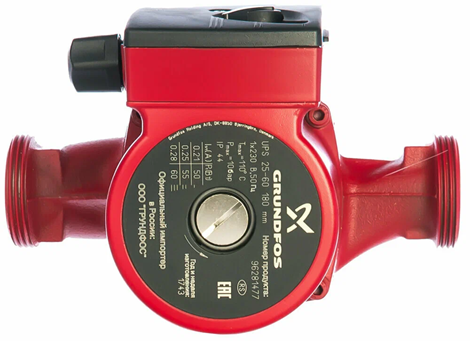
Circulating pumps are devices designed for the forced movement of liquids in heating, water supply, and air conditioning systems.
They ensure even distribution of heat and cooling, contributing to the efficient operation of engineering systems. Among them, commercial circulating pumps occupy a special place, being widely used in industrial and commercial facilities to maintain stable operating conditions.
Overview of the functionality of circulating pumps and their key characteristics
Circulating pumps are equipment that ensures the movement of liquids in various systems, such as heating, water supply, and technological processes. Their main function is to maintain a constant flow of heat transfer fluid or other liquid, which ensures the efficient operation of systems and comfortable conditions in the premises.
The key elements in the design of circulating pumps are the electric motor and the impeller, which creates the necessary pressure and fluid flow. Modern models from https://www.brittherm.co.uk/ are equipped with automatic control systems that allow regulating the power level and flow rate depending on the needs of the system.
Key characteristics of circulating pumps
-
- Performance (flow rate): determined by the volume of liquid that the pump is able to pump per unit of time, usually indicated in cubic meters per hour (m³/h) or liters per minute (l/min).
- Head (pressure): depends on the height of the liquid lift and the resistance of the system; an important parameter for selecting a pump for specific operating conditions.
- Electric motor power: affects the energy efficiency and noise level of the equipment;
Modern models are designed for minimum energy consumption while maintaining constant efficiency.
- Protection class and resistance to operating conditions: especially important for use in aggressive environments or in systems with high temperatures.
- Speed control: allows you to optimize system operation, reducing energy consumption and increasing operating comfort.
Example of application in hot water supply systems of residential buildings
Circulation pumps are widely used in hot water supply systems of residential buildings to ensure a fast and even supply of hot water to the points of consumption. Thanks to their use, the waiting time for hot water is reduced, the comfort of residents is improved, and the energy efficiency of the system as a whole is increased.
Typically, such pumps are installed in the hot water circuit of the system, ensuring water circulation through the pipelines and maintaining the necessary temperature at the outlet of the boiler or boiler room. This eliminates the long wait for hot water and reduces energy costs for maintaining its temperature.
Main advantages of using circulation pumps in hot water supply systems
- Increased comfort: instant access to hot water without having to wait for it to reach the pipelines;
- Energy saving: reduced heat losses due to uniform maintenance of water temperature;
- Reduced equipment wear: reduced load on water heating devices due to stable circulation;
- Increased reliability: regular water circulation prevents stagnation and bacterial growth.
The use of circulation pumps in hot water supply systems of residential buildings significantly increases the level of comfort, provides energy savings and increases the reliability of the system. The correct selection and operation of such pumps ensure efficient and long-term operation of the hot water supply system, which is especially important in modern operating conditions of residential complexes.