Загрузка ...


Tips and guidelines for painting walls to achieve the perfect result
Painting walls is one of the most affordable and effective ways to transform your interior and give it a fresh, neat look. Proper technique, adherence to basic rules, and the use of high-quality materials help achieve a long-lasting and even result.
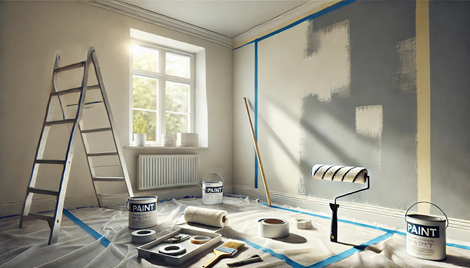
At affordable painting Calgary, it’s important to consider the surface characteristics and preparatory work to achieve the highest quality finish and avoid repeat costs.
In this article, we’ll cover the important stages of the process, share helpful tips, and outline key principles that will help you complete the job yourself or hire professionals to paint your walls.
Surface Preparation: Repairing Cracks, Sanding, and Cleaning
The main steps include sanding, cleaning, and filling in any imperfections. After repairing cracks and imperfections, the surface must be thoroughly cleaned of dust, dirt, and any remaining residue from the old coating. Only a clean and smooth surface will ensure good paint adhesion and an even coating.
Surface Treatment Before Painting
Repairing Cracks and Irregularities: To fill cracks, use gypsum- or acrylic-based fillers. Apply several coats, sanding after each coat to achieve a smooth surface. For larger defects, use dry mixes or gypsum, while for small cracks, use a simple spatula and filler.
Sanding and Cleaning: After the filler has dried, sand the surface with fine-grit sandpaper. Finally, wet clean to completely remove dust and remaining dirt. Finally, inspect the surface for defects, repeat sanding and cleaning if necessary, creating a perfectly smooth base for subsequent painting.
Choosing and Preparing Tools for High-Quality Painting
Before starting work, carefully prepare your tools. Brushes are used for details and hard-to-reach areas, applying them carefully and densely. Rollers are suitable for painting large surfaces and provide an even coating. Before use, it is recommended to rinse them, remove excess lint, and ensure the roller is undamaged. Spray guns require more complex preparation: they must be rinsed, checked for leaks, and the correct nozzles must be selected depending on the type of paint and surface. It is also important to clean the tools after use to maintain their serviceability for future projects.
Conclusion: Selecting and Using the Correct Paint Application Technique
The correct choice of tool and paint application technique play a key role in achieving an even and high-quality finish on walls. Using a brush, roller, or sprayer depends on the surface type, area, and desired result.
Knowing the specifics of each method will help you complete the job as efficiently as possible and achieve a professional finish.
- Brush: Ideal for painting corners, details, and hard-to-reach areas. Use high-quality brushes with natural or synthetic bristles, depending on the paint type.
- Roller: Provides quick and even coverage of large areas. Choose a roller with the appropriate nap length for the surface texture and paint type.
- Sprayer: Best for covering large surfaces and complex structures. Requires precision and skill for even application without drips or runs.
It is recommended to pre-prepare the walls, choose the right tool, and follow the application technique. This will ensure the durability and aesthetic appearance of your paint job.