Загрузка ...

Features and requirements of the German style in landscape design for a harmonious site
German-style landscape design is distinguished by its strict symmetry, harmony, and use of natural materials. Key requirements include neatness, functionality, and meticulous maintenance of garden plantings, creating a sense of order and tranquility.
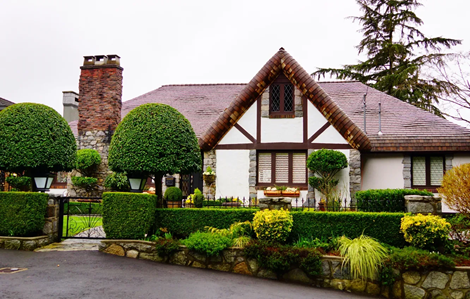
This style emphasizes geometric shapes, regular paths, and carefully trimmed shrubs, making it particularly popular among Calgary landscaping enthusiasts and connoisseurs of classic European traditions.
The hallmarks of German landscape design include simplicity, harmony with nature, and a consistent color palette. This style highlights the beauty of natural materials and architectural elements, creating a cozy and aesthetically pleasing space. Landscaping Calgary SW popularly incorporates these elements into British, French, or Scandinavian garden designs, creating a versatile and sophisticated landscape.
Characteristics of German Landscape Design: Traditions and Ideas
German landscape design is renowned for its harmony with nature, clear forms, and functionality. Natural materials such as stone, wood, and gravel are widely used in landscape design, creating a sense of naturalness and sustainability. German traditions combine aesthetics with practicality, so garden spaces often feature cozy seating areas and convenient paths leading to various functional areas.
The general idea of German style is minimalism and order. Neat lawns, structured flower beds, and neat trees are prominent. Characteristic elements include strict geometric shapes, symmetry, and clear zoning. Inspired by the rural environment and historical traditions of Germany, designers use classical figures such as hedges, busts, and statues, creating a respectable and tranquil atmosphere.
Traditional Ideas and Elements of German Landscape Design
- Use of natural materials: stone, wood, gravel.
- Geometric shapes and symmetry: regular shapes, neatly trimmed shrubs.
- Creating cozy relaxation areas: gazebos, arbours, small fountains.
Practical Tips for Using Plants in German Style
To achieve a harmonious look, it is recommended to consider the climatic conditions and soil characteristics of the site to ensure that plants take root well and retain their decorative qualities for a long time.
Tips for Choosing Plants for German Style Style
- Choose plants with the right shape and structure: spheres, spruce trees, and conical conifers create clear lines and order.
- Use subdued and natural tones: green, gray, blue, and white are preferred.
- Regularly care for your plants: pruning, trimming, and weeding will help maintain a neat appearance and emphasize style.
Practical recommendations for plant placement
- Create symmetrical compositions. This will emphasize formality and order.
- Place tall plants in the background and short ones in the foreground.
- Use paths and borders made of natural materials, such as stone or brick.
- Emphasis geometric shapes through plant arrangements and landscape elements.
The integration of plants into the German style should be based on the principles of formality, symmetry, and harmony. Selecting the right species, their proper placement, and timely care will create an elegant and restrained garden that fits seamlessly into the concept of German landscape design, emphasizing clean lines and natural beauty.