Загрузка ...




Why Arizona Homes Need Year-Round Pest Control Built for Desert Conditions
Pest control in Arizona is different from pest control in many other parts of the country. The desert climate creates a unique mix of heat, dry conditions, seasonal moisture, monsoon activity, irrigation, block walls, rock landscaping, crawl spaces, rooflines, and shaded hiding areas that can support pest activity throughout the year.
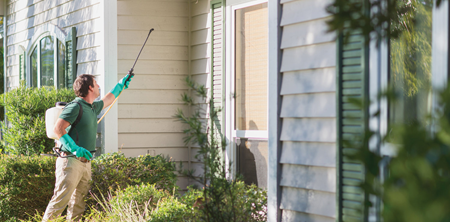
In some regions, pest problems are mostly seasonal. In Southern Arizona, many pests remain active for much longer. Scorpions, ants, roaches, spiders, termites, pack rats, mice, bees, wasps, crickets, and other desert pests can move around homes, garages, patios, yards, and commercial buildings when conditions are right.
That is why Arizona homeowners usually need more than occasional treatment after pests appear. A stronger approach focuses on prevention, inspection, exclusion, moisture awareness, exterior pressure, and recurring protection built around desert conditions.
Why Desert Homes Face Different Pest Pressure
Arizona homes often have features that make pest prevention more complex. Rock landscaping, block walls, irrigation lines, patio areas, outdoor storage, garages, shaded entryways, stucco cracks, and tile roofs can all create places where pests can hide or travel.
Common pest-supporting conditions include:
- Small gaps around doors and foundations
- Irrigation leaks
- Dense plants near exterior walls
- Rock or gravel landscaping
- Gaps around utility lines
- Garage-door openings
- Block walls and wall voids
- Patio furniture and storage
- Firewood or debris near the home
- Roofline and attic access points
- Standing water after storms
- Outdoor lighting that attracts insects
A home may look clean and well maintained but still have pest pressure outside. The goal is to reduce the conditions that bring pests close to the structure before they become indoor problems.
Heat Does Not Eliminate Pest Problems
It is easy to assume that extreme heat would reduce pest activity. In reality, heat often changes where pests hide. Many pests look for cooler, shaded, protected spaces during the hottest parts of the year.
They may move into:
- Garages
- Wall voids
- Crawl spaces
- Irrigated landscape areas
- Under pavers or rocks
- Around patios
- Storage rooms
- Utility areas
- Bathrooms or kitchens
- Attics and rooflines
The hotter it gets outside, the more important shade, moisture, and shelter become. This is why pests may become more noticeable indoors even when outdoor conditions seem too harsh.
Monsoon Moisture Can Change Pest Behavior
Arizona’s dry climate can shift quickly during monsoon season. Rain and humidity can increase insect activity, create temporary standing water, and encourage movement around foundations, patios, and yards.
Monsoon conditions can contribute to:
- Ant activity
- Roach movement
- Mosquito breeding areas
- Termite activity
- Increased cricket activity
- More insects near lights
- Scorpion movement as prey becomes active
- Moisture-related pest pressure near the home
After storms, homeowners should check drainage areas, plant saucers, buckets, clogged gutters, low yard areas, and areas where irrigation or rainwater collects. Even small water sources can support pest activity.
Scorpions Require Prevention, Not Just Reaction
Scorpions are one of the pests most associated with Arizona homes. They can hide in cracks, block walls, rock landscapes, shoes, garages, patios, and interior areas when they find access.
Scorpion prevention often requires reducing the insects they feed on, sealing entry points, managing exterior hiding places, and maintaining regular pest control around the home.
Helpful prevention steps include:
- Reducing clutter near the home
- Sealing gaps around doors and windows
- Checking garage-door seals
- Moving debris away from exterior walls
- Managing outdoor lighting
- Reducing cricket and roach activity
- Keeping landscaping trimmed
- Inspecting block walls and cracks
- Checking shoes, towels, and stored items when activity is suspected
Scorpion control is rarely solved with one isolated step. It usually requires a broader desert pest-control plan.
Termites Are a Long-Term Arizona Concern
Subterranean termites are another major concern in Arizona because they can remain hidden while damaging wood and structural materials. Homeowners may not notice the problem until mud tubes, damaged wood, swarmers, or other warning signs appear.
Possible termite warning signs include:
- Mud tubes near the foundation
- Damaged or hollow-sounding wood
- Bubbling paint
- Discarded wings
- Swarmers near windows or doors
- Wood damage near moisture
- Tight doors or windows
- Activity around garages, porches, or patios
Termite prevention and inspection are especially important because the damage can progress quietly. A professional evaluation can help determine whether termite activity is present and whether the property has risk conditions.
Pack Rats and Rodents Can Damage Property
Pack rats, mice, and rats are also common concerns in Arizona. Rodents may enter through small gaps, nest in garages or attics, damage insulation, chew wires, and contaminate storage areas.
Common rodent warning signs include:
- Droppings
- Scratching sounds
- Chewed wires or stored items
- Nesting material
- Activity in garages or attics
- Greasy rub marks
- Strong odors
- Burrows or exterior nesting areas
- Damaged insulation
Rodent prevention should include inspection, trapping or removal when needed, sanitation recommendations, entry-point review, and exclusion. Without addressing access points and shelter, rodent activity can return.
Ants and Roaches Often Follow Food, Water, and Shelter
Ants and roaches can become persistent problems when they find moisture, food residue, cracks, and protected hiding spaces.
Ants may appear near kitchens, bathrooms, patios, irrigation lines, and foundation edges. Roaches may hide around drains, cabinets, garages, utility areas, and exterior moisture sources.
Homeowners can reduce risk by:
- Cleaning crumbs and spills
- Storing food securely
- Keeping trash sealed
- Repairing leaks
- Reducing clutter
- Checking under sinks
- Sealing gaps
- Keeping pet food closed
- Managing irrigation near the home
Recurring ant or roach problems usually need more than surface cleaning. The source and access points should be inspected.
Bees and Wasps Need Careful Handling
Bees, wasps, and other stinging insects can become a safety concern when nests are located near doors, patios, rooflines, sheds, garages, or play areas. In Arizona, outdoor living spaces are an important part of the home, so stinging insect activity can quickly affect daily comfort.
Nests may appear:
- Under eaves
- In wall voids
- In trees or shrubs
- Near rooflines
- Around sheds
- Under patio covers
- In ground openings
- Around outdoor storage areas
Homeowners should avoid disturbing active nests without understanding the species and location. Professional removal is often safer, especially near high-traffic areas or hidden voids.
Entry Points Should Be Checked Throughout the Year
Many pest problems begin with access. Small gaps may not look serious, but they can allow insects, spiders, rodents, and scorpions to enter.
Common entry points include:
- Gaps under exterior doors
- Garage-door corners
- Damaged weatherstripping
- Utility penetrations
- Foundation cracks
- Gaps around windows
- Dryer vents
- Roofline openings
- Attic vents
- Crawl-space gaps
- Cracks in stucco
- Openings around plumbing
Sealing access points can help, but it should be done carefully when rodents or wildlife may already be inside. Inspection should come first when hidden activity is suspected.
Landscaping Can Either Help or Hurt Pest Prevention
Desert landscaping may look low-maintenance, but it still affects pest activity. Rock beds, irrigation, dense shrubs, palm debris, mulch, firewood, and shaded storage areas can create harborage.
Homeowners should consider:
- Trimming plants away from walls
- Avoiding overwatering near the foundation
- Moving firewood away from the structure
- Removing leaf litter and debris
- Keeping storage away from walls
- Repairing irrigation leaks
- Reducing standing water
- Checking block walls and fence lines
- Keeping exterior lights managed when insects gather
The goal is to create a cleaner inspection zone around the home so pests have fewer places to hide.
Why Recurring Pest Control Makes Sense in Arizona
One-time treatment can help with a visible issue, but Arizona homes often benefit from recurring service because pest pressure changes throughout the year. Heat, monsoon moisture, dry periods, breeding cycles, landscaping, and neighborhood conditions can all affect which pests appear.
A recurring pest-control plan can help with:
- Exterior barrier support
- Early detection
- Scorpion and insect pressure
- Rodent monitoring
- Termite awareness
- Seasonal pest adjustments
- Entry-point recommendations
- Yard and landscape observations
- Follow-up when activity changes
For homeowners researching Arizona pest control, the most important question is not only which pests are visible today. It is whether the home has a plan that reduces risk throughout the year.
What Homeowners Can Do Between Visits
Professional service works best when homeowners also reduce attractants and access points.
Helpful steps include:
- Repair plumbing and irrigation leaks.
- Keep food sealed.
- Clean crumbs and spills.
- Store pet food securely.
- Remove clutter from garages.
- Keep trash containers closed.
- Trim vegetation away from the home.
- Move firewood away from exterior walls.
- Check garage-door seals.
- Seal small gaps where appropriate.
- Remove standing water.
- Keep outdoor storage organized.
- Inspect patios, sheds, and block walls.
- Watch for droppings, mud tubes, nests, or unusual insect activity.
These steps do not replace professional treatment, but they make the home easier to protect.
Choosing a Pest Control Company for Desert Conditions
Pest control in Southern Arizona should be based on local conditions. A provider should understand desert pests, seasonal patterns, termite risks, scorpion activity, rodent behavior, outdoor pest pressure, and the way homes are built in the region.
Useful questions include:
- Do you inspect both interior and exterior areas?
- Do you address scorpions, ants, roaches, termites, rodents, bees, and wasps?
- Do you offer recurring service options?
- Can treatments be adjusted seasonally?
- Do you check entry points and pest-supporting conditions?
- Do you provide termite inspections?
- Are technicians trained and licensed?
- Do you explain what was found and what was treated?
- Do you service Tucson and surrounding Southern Arizona communities?
- Do you offer prevention recommendations?
A strong plan for desert pest management for Tucson homes should include inspection, treatment, prevention, and local experience.
Arizona Homes Need Pest Control Built Around the Desert
Arizona pest control is not just about treating the occasional bug. It is about understanding how desert conditions affect pests throughout the year. Heat, moisture, landscaping, block walls, rooflines, garages, irrigation, and seasonal changes all play a role.
Arizona Pest Control provides pest and termite inspections in Tucson and throughout Southern Arizona. The company describes itself as locally owned and family operated since 1947, with services that include termite control, pest control, bee removal, rodent control, and protection for pests such as termites, ants, scorpions, spiders, pack rats, wasps, bees, crickets, cockroaches, mice, rats, kissing bugs, and more. Its pest-control page describes Tucson and Southern Arizona pest control services, coverage for more than 45 pests, customizable schedules, and service areas including Tucson, Green Valley, Tubac, Oro Valley, Saddlebrooke, Vail, and Marana.
For homeowners, prevention is usually easier than recovery. By reducing access points, managing moisture, maintaining landscaping, watching for early warning signs, and using a year-round pest plan, Arizona residents can better protect their homes from recurring desert pest problems.