Загрузка ...


A comfortable mobile home for long road trips: selection and arrangement
A comfortable campervan isn’t just a place to sleep, but an autonomous space where you can conveniently cook, relax, work, and recover after long trips. The more thoughtfully you organize your living space, the less fatigue you’ll feel along the way and the more freedom you’ll have in choosing your stops.
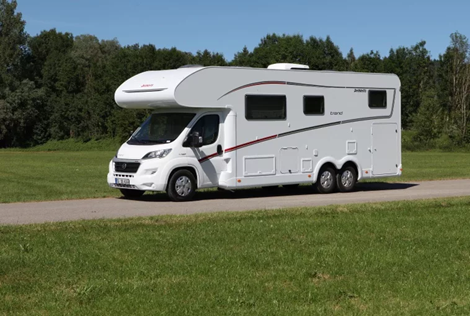
To ensure a truly long and enjoyable trip, it’s important to think through the layout, food, water, electricity, storage, and safety in advance. Below is a practical approach to turning a van or motorhome into a reliable «LSR 365 camper rental in Spain» on wheels.
Autonomy: water, electricity, and heat
Comfort on the road directly depends on autonomy. The more you can do without external infrastructure, the easier it is to plan your route and stop in truly beautiful and peaceful places.
Water and Hygiene: Cleanliness Without Compromise
Separate water into household water (dishwashing) and personal water (showering/washing), and manage consumption with a habit of «short cycles»: wet – turn off – lather – rinse. This approach significantly increases battery life.
- Water supply: Choose a capacity that allows for 2-3 days of autonomy.
- Filtration: A simple inlet filter and a separate drinking water filter improve safety.
- Shower: A shower curtain/cabin and a towel drying area are more convenient.
Electricity: Reliability for home and work
For long trips in a campervan and motorhome catalog , a predictable power supply is important: a battery system, charging from a generator/engine, and, if necessary, solar panels. Determine which appliances you actually use daily and base your consumption calculations on that.
Heat and Ventilation: The Keys to Comfort
A comfortable temperature isn’t just about heating, but also about proper air circulation. Condensation forms where there’s no ventilation. The presence of vents, fans, and insulation is critical for long trips and overnight stays in the off-season.
- Insulation: reduces temperature fluctuations and noise.
- Ventilation: regular, short, but intense.
- Warm zones: separate blankets and sleeping bags for cold nights.
Storage, Kitchen, and Organization: A System Instead of Chaos
A rule for long trips: things should «live» where they’re used. If you have to search for every item, fatigue increases, and the camper van ceases to be a home.
Kitchen: Compact, Safe, Convenient
A well-thought-out minimum is enough: a stove, a work surface, a sink, and a place for dry goods. For safety, be sure to secure anything that can move while on the move, and store heavy items below countertop level.
- Tableware: Unbreakable and of a uniform size for compact packing.
- Supplies: Cereals, canned goods, spices, and oil are essential items that don’t take up much space.
- Organizers: Boxes and dividers speed up packing and cleaning.
Safety and Travel Habits: Comfort Means Peace of Mind
Consider safety: a first aid kit, a fire extinguisher, a smoke/gas detector, a flashlight, and a basic set of tools. Comfort on the road means knowing you can handle minor problems without panicking or wasting time.
If you’re considering renting a campervan for the first time, create an acceptance checklist in advance: tire condition, water and electrical system operation, cabinet locking, availability of adapters, fuel/gas level, and operating instructions. The more accurately you understand the system on the first day, the more relaxed your entire trip will be.
The bottom line: convenient layout + autonomy + organized storage + safety. This turns any van or motorhome into a comfortable home on wheels, where long trips feel less like an ordeal and more like a way to live freely.
Bottom Line: How to Choose a Base Vehicle for Conversion
The base vehicle sets the limits of comfort, autonomy, and safety for your future motorhome: how much equipment and water you can take, how comfortable it will be to live inside, and where you can travel without unnecessary restrictions.
When choosing, focus on three things: load capacity, dimensions, and drive type: these determine whether the project will be practical for long trips or will devolve into compromises and constant weight monitoring.
Key Criteria
- Load capacity: don’t think about «how much you can load,» but rather how much will remain after the conversion. Factor in the weight of insulation, furniture, batteries, water, gas, spare tire, tools, passengers, and luggage; leave some reserve for future modifications.
- Dimensions: length and height determine the layout (bed, kitchen, bathroom, storage), while width and height determine the ease of parking, driving through courtyards/parking lots, and the impact of crosswinds on the highway.
- Drive type: choose accordingly on real routes. Front-wheel drive is usually more economical and easier to maintain; rear-wheel drive handles constant loads and towing better; A full-size tire is justified for regular travel on snow, dirt roads, and remote areas, but adds weight and cost.
- Describe your travel scenario: how many people are traveling, seasonality, proportion of city/highway/dirt roads, and whether towing is necessary.
- Create a rough «weight list»: estimate the weight of key systems and determine the target load capacity.
- Compare the layout with the dimensions: check that the required areas actually fit without cramping.
- Choose a drivetrain based on your routes, not «just in case»: extra complexity and weight rarely pay off unless regularly needed.
Final guideline: the best base is one that provides a weight reserve, matches the height/length of your layout, and matches real-world driving conditions. This will make conversions predictable, and long trips will be smooth and comfortable.